How to Locating High-Quality Retro Fashion: Leading Retailers and Internet Sources
Locating the finest vintage clothing necessitates a strategic approach. Independent shops often present curated selections from different time periods, offering a unique shopping experience. In contrast, online platforms supply entry to a extensive selection of antique pieces. Each avenue has its advantages and challenges. Recognizing these choices can strengthen the pursuit for unique items. What elements should one consider when surveying these diverse sources?
Grasp Classic Sizes and Tags
How does one navigate the often perplexing world of vintage sizing and nomenclature? Knowing about vintage sizes is vital for anyone focused on vintage clothing. Unlike modern sizing, which has become standardised, vintage sizes can vary greatly based on the era, brand, and even the country of origin. For instance, a size 8 from the 1970s may deviate considerably from a contemporary size 8.
Labels constitute an key part; they normally indicate the decade and can disclose details regarding production techniques and textile selections. Acquaintance with recognized brands helps ascertain authenticity and quality, as various brands are noted for their craftsmanship.
Measuring clothing precisely is essential, as relying solely on the size tag may cause disappointment. Buyers are advised to compare dimensions with their own garments. By grasping these subtleties, vintage enthusiasts can make well-informed choices, improving their shopping experience.
Evaluate Vintage Clothing Quality
Determining the worth of vintage clothing is important for making educated purchases. Critical factors to reflect on include examining fabric composition, searching for any damage, and evaluating the standard of stitching. Each of these elements plays an essential role in determining the longevity and value of vintage garments.
Inspect Fabric Make-up
Studying the fabric composition of vintage garments is fundamental for determining their value and longevity. Fabrics like cotton, wool, silk, and linen typically represent better durability and comfort when contrasted with synthetic materials. Clothing created from these fabrics tends to last longer, keeping its form and appearance through the years. In addition, recognizing the fabric combination can give information about the garment's functionality and care guidelines. As an illustration, a cotton-linen fabric blend can increase breathability, while a wool-acrylic blend might boost warmth. During evaluation, it is essential to look for labels or tags providing fabric details. This knowledge empowers shoppers to make informed choices, ensuring their vintage finds are not just stylish but also lasting investments.
Inspect for harm
Assessing retro garments for damage is essential to understanding their general quality. Buyers should carefully examine garments for any evidence of use, including holes, marks, or fading. Attention should be given to areas prone to see information on this damage, such as seams, hems, and underarm sections, where fabric may weaken over time. Furthermore, looking for missing buttons or zippers can reveal important clues about a garment's condition. Evaluating the lining along with embellishments matters because they impact both the garment's function and appearance. Detecting defects beforehand allows buyers to choose wisely, guaranteeing their vintage pieces fulfill aesthetic demands and are robust for continued use.
Assess Stitching Standards
Though it might be quite simple to overlook, the quality of stitching in vintage clothing holds an essential role in determining the garment's durability and overall appeal. A close look at the stitching can uncover the craftsmanship behind the piece. Well-executed seams, firm and even stitches, indicate strength and attention to detail. On the other hand, loose threads or uneven stitching may indicate wear or poor construction, which could compromise the garment's integrity. Checking areas prone to stress, like armholes and hems, is especially important. Furthermore, vintage items often showcase unique stitching techniques that reflect their era, adding character. In the end, evaluating stitching quality not only informs buyers about the condition of a garment but also boosts their appreciation for vintage fashion’s artistry.
Search for Classic Fashion at Community Shops
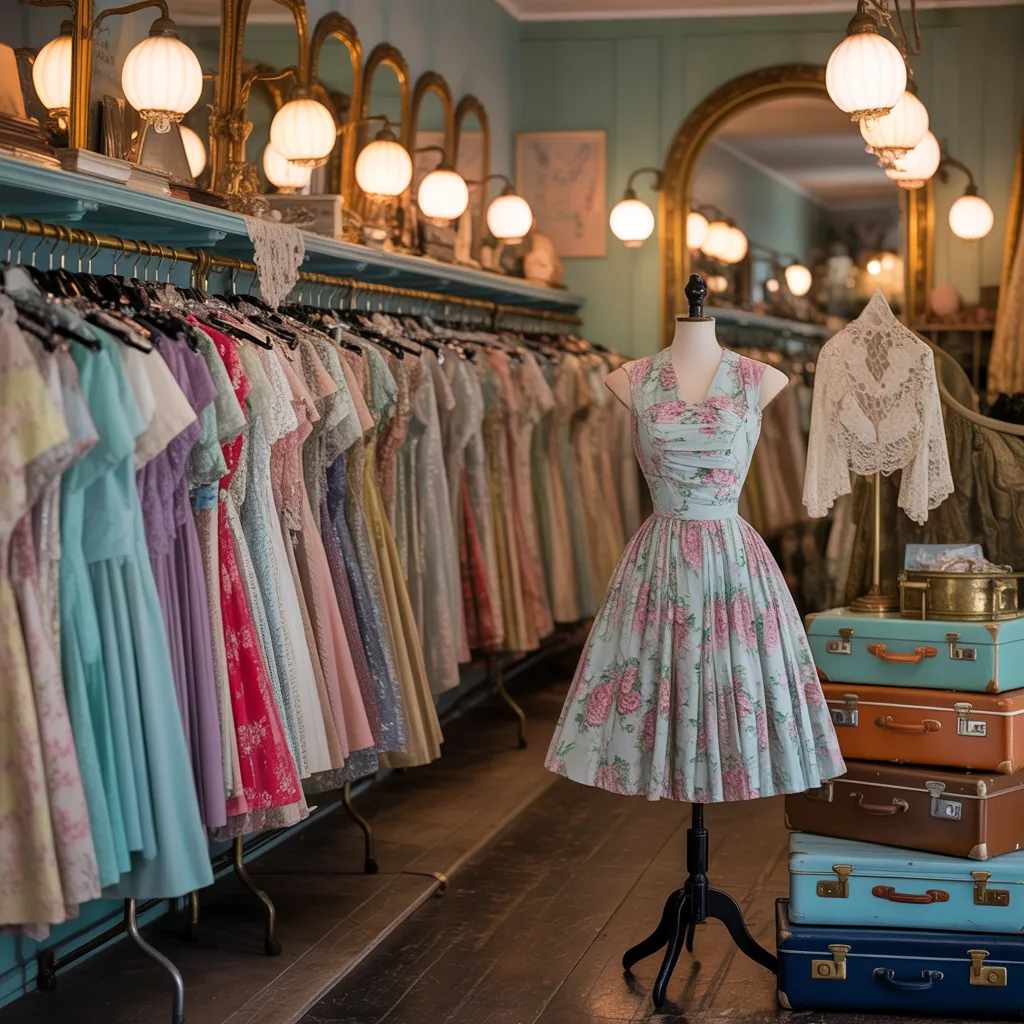
Where might someone locate unique vintage clothing treasures? Community vintage shops frequently serve as hidden gems for vintage devotees. These establishments assemble unique collections, thoughtfully handpicking items that represent multiple decades and fashion aesthetics. Exploring the aisles, visitors can locate everything from elegant 1950s frocks to 1980s statement jackets, each garment recounting its own tale.
Many neighborhood shops prioritize environmental responsibility, obtaining their inventory from estate sales, thrift stores, and donations. This not only promotes sustainable methods but also ensures that each piece of clothing is one-of-a-kind. Additionally, boutique owners are generally devoted to fashion history and can offer valuable insights, enhancing the retail journey.
Supporting local retailers also encourages community connections, allowing customers to interact with shop owners and fellow vintage aficionados. This personal touch often turns the shopping experience into an adventure, making each visit to a local boutique a delightful review of fashion's past.
Leading E-commerce Retro Outlets
In the domain of online shopping, vintage enthusiasts have access to a wide array of possibilities. Best online marketplaces and curated vintage boutiques offer unique selections that serve different preferences and styles. This section will explore some of the standout platforms for locating retro valuables.
Premier Online E-Commerce Sites
The appeal of vintage clothing has sparked a surge in online marketplaces centered on unique, timeless pieces. Platforms like Etsy and eBay continue to be popular choices, offering a vast array of vintage items from various eras. Depop, with its easy-to-use interface and social media integration, appeals to a younger demographic looking for curated styles. copyright allows users to offer their vintage finds while building relationships with fashion enthusiasts. Additionally, ThredUp emphasizes secondhand clothing, including vintage selections, advancing sustainability. These marketplaces not only give access to distinctive fashion but also foster a community of like-minded individuals enthusiastic about vintage treasures. By browsing these platforms, shoppers can find rare pieces that express their personal style and history.
Carefully Chosen Vintage Boutiques
For individuals who cherish the elegance of expertly curated vintage boutiques, the internet marketplace presents a bounty of rare finds. These specialty shops concentrate on thoughtfully chosen items, preserving authenticity and credibility. Stores including Vintage Vixen and ModCloth address a spectrum of looks, from 1920s flapper dresses to 1980s pop culture pieces. Every boutique typically displays an individual character, making it convenient for buyers to locate garments that match their unique fashion sense. Furthermore, sites such as Etsy and Depop present solo entrepreneurs who organize their inventories, enhancing the breadth of selections. By purchasing from these expertly curated boutiques, vintage aficionados can locate memorable items that carry meaning and upgrade their collection.
Professional Techniques for Secondhand Shopping
Growing proficient in the art of vintage shopping can metamorphose a casual outing into a treasure-hunting expedition. To strengthen the experience, shoppers should first set forth their sartorial inclinations, focusing on selected periods or clothing categories that align with them. Studying regional establishments and online marketplaces helps identify the best resources and potential hidden gems.
When browsing, it is crucial to examine items thoroughly for condition and authenticity. Buyers should focus on material content, seams, and tags, as these can offer insights into the item's history. Negotiation can also be an key part of the process; many vintage sellers are open to offers.
Timing plays a significant part as well. Shopping at shops during inventory replenishment periods or sales can reveal new finds. Finally, maintaining an receptive attitude allows for surprising finds, turning each store visit into an adventure brimming with distinctive style possibilities.
Explore Advantages of Eco-Friendly Vintage Fashion
While many shoppers seek unique style, the merits of green vintage clothing go well past visual attractiveness. This method of dressing encourages environmental responsibility by reducing waste and minimizing the environmental impact connected to new garment production. Vintage items often embody superior workmanship, ensuring durability and longevity, which contrasts sharply with the fast fashion industry’s stress on short-lived garments.
Additionally, sourcing vintage contributes to a circular economy, preserving materials and reducing the need for new materials. Buyers who pick vintage clothing also back local enterprises and thrift shops, fostering community engagement and economic viability. Ultimately, vintage fashion supports individuality, allowing wearers to express personal taste without conforming to mainstream trends. By embracing sustainable vintage fashion, shoppers not only enhance their wardrobes but also participate in a movement that upholds ethics and creativity over mere consumption.
Popular Inquiries Asked Regularly
What's the Most Effective Method to Recognize Authentic Classic Clothing Compared to Replicas?
To spot genuine vintage garments, one should check insignia, needlework, and material quality. Authentic pieces often display marks of time, such as fading or usage marks, while counterfeits typically are missing these characteristic qualities and attributes.
Which Cities Provide the Top Classic Garment Purchasing?
Cities like New York, Los Angeles, and London stand out for shopping for vintage clothing. Each offers unique boutiques, thrift stores, and markets, attracting collectors looking for authentic pieces and diverse styles from different eras.
How Do I Properly Maintain Vintage Garments?
To correctly look after vintage garments, one should gently hand wash or dry clean them, keep them in a cool, dry location, avoid direct sunlight, and use acid-free material for conservation. Periodic examinations are vital.
What should I search for in Vintage Accessories?
When choosing vintage accessories, one should prioritize condition, authenticity, and workmanship. Additionally, considering unique design elements and materials can enhance the overall aesthetic, guaranteeing the pieces complement modern clothing while expressing individual taste.
What specific vintage movements should you monitor this year?
This year, particular vintage trends to watch closely feature 90s grunge styles, oversized silhouettes, and bold prints. Additionally, sustainable fashion influences are encouraging demand in reworked vintage items, expressing a heightened valuation for unique, eco-friendly apparel.